A dress can be one of the easiest items to wear during pregnancy. It creates a complete outfit with minimal effort, and many styles offer room around the waist without complicated adjustments. However, not every dress is designed for a changing body. The right maternity dress should feel comfortable when you sit, walk and go about your day, while still matching your personal taste.
From casual cotton dresses to workwear and occasion outfits, there are many options to consider. This guide explains which features matter, how to choose fabrics and sizes, and how to select dresses you may continue wearing after delivery.
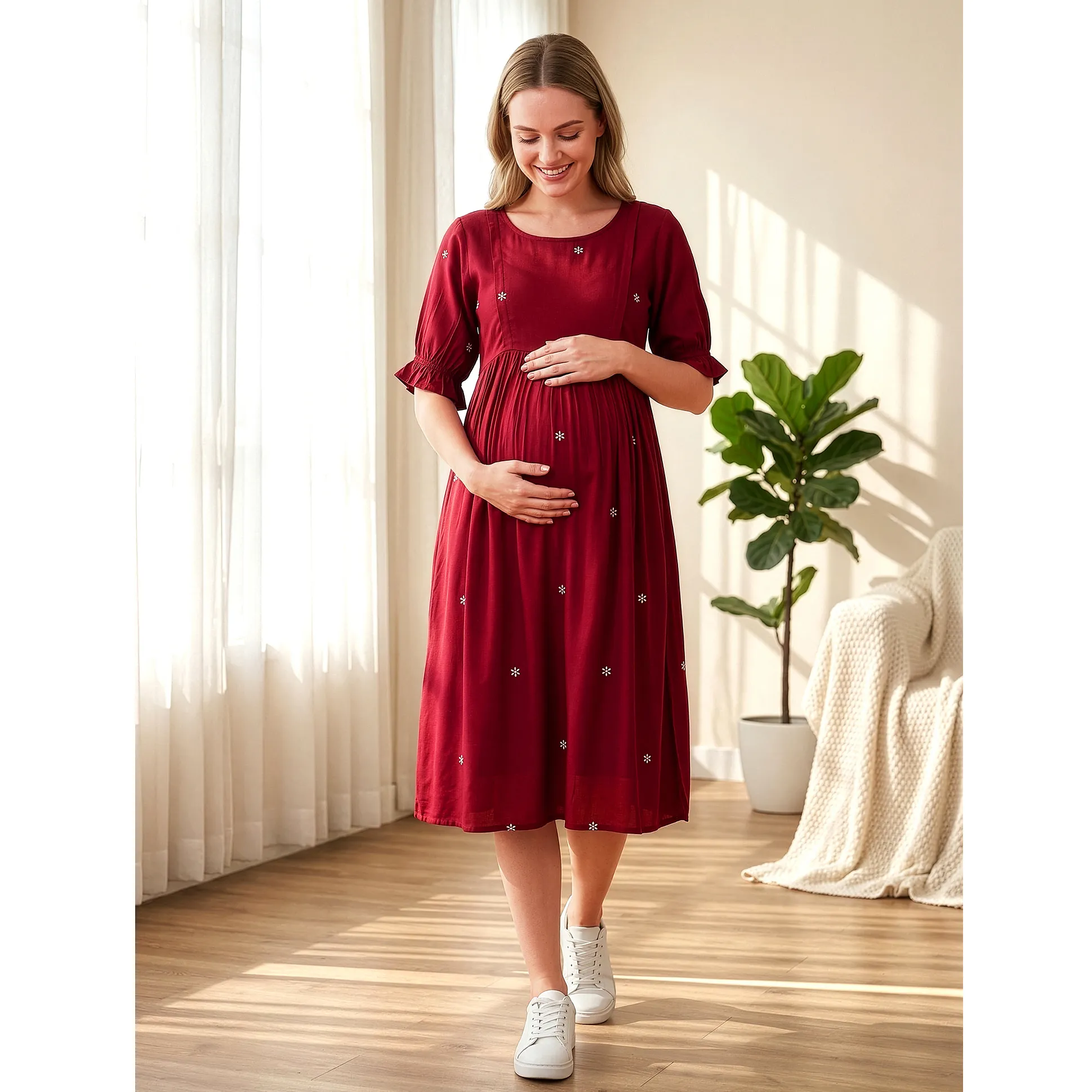
What Makes a Dress Suitable for Pregnancy?
A maternity dress is usually cut to accommodate changes around the abdomen, bust and hips. It may feature extra fabric at the front, side gathers, an empire waist, a relaxed A-line shape, a wrap front or a stretchy knit. These details can make the garment more adaptable than a regular dress with a narrow waist.
Look for comfortable armholes, enough room through the chest and hips, and a length that suits your height. The dress should not pull tightly across the bump or require constant adjustment. If buying online, review the size chart and garment measurements carefully.
Popular Maternity Dress Styles
A-line dresses: These gently widen from the upper body and can offer space around the abdomen. They are useful for casual outings and everyday wear.
Empire-waist dresses: The seam sits above the natural waist, allowing fabric to fall over the bump. This style can work for casual and dressier occasions.
Wrap dresses: Adjustable wrap fronts can make fit more flexible. Check that the wrap stays secure when you move and that the neckline feels comfortable.
Maxi dresses: Longer dresses can create an easy, coordinated look. Check the hem length so it does not drag or become difficult to walk in.
Shirt dresses: Button-front designs can be practical for layering and may offer feeding access after delivery. Make sure the buttons do not pull across the chest or abdomen.
Knit dresses: Stretchy knits can adapt to changing shape. Choose a fabric weight and fit that make you feel comfortable and confident.
Choosing the Right Fabric
Fabric is important when a dress will be worn for hours. Cotton and cotton blends are popular for daily use, particularly in warm weather. Lightweight woven fabrics can feel airy, while jersey fabrics provide stretch. Rayon and similar draping materials can create fluid silhouettes for casual or occasion wear. For colder weather, a soft knit dress can be paired with layers.
Check the garment label for fibre content and care instructions. Consider whether the fabric wrinkles easily, needs special washing or feels too heavy for your climate. If you are sensitive to seams or textures, pay attention to lining, tags and stitching. No single fabric suits everyone; choose based on comfort, weather and how you plan to wear the dress.
How to Choose the Right Size
Use the brand’s maternity size chart rather than automatically ordering a size larger than usual. Maternity patterns are generally intended to make room for a changing bump, but sizing varies across brands. Compare bust, hip and length measurements, and read reviews for useful fit notes when available.
Think about when you plan to wear the dress. A dress purchased early in pregnancy may fit differently later, so adjustable details and relaxed cuts can provide more flexibility. If trying it on, sit down and walk around to check that the fabric does not ride up, the seams do not pull and the hem remains manageable.
Everyday Maternity Dresses
For daily wear, look for dresses that are easy to wash, comfortable for repeated use and simple to style. A cotton A-line dress, a soft jersey dress or a relaxed tunic-style dress can work with flats or comfortable sandals. Neutral colours can pair with several layers, while prints can add variety without needing extra accessories.
Consider your usual routine. If you travel by public transport, choose a length that allows easy movement. If you spend much of the day at home, soft fabric and simple closures may matter most. For errands and appointments, pockets can be useful, but do not let a decorative feature outweigh fit.
Maternity Dresses for Work
A work dress should suit your workplace and allow comfortable movement throughout the day. Solid colours, subtle prints and clean silhouettes can create a professional appearance. Pair a dress with a cardigan, blazer or light layer if needed. If you sit at a desk for long periods, check that the waist and abdomen remain comfortable when seated.
You do not need a separate dress for every workday. A small rotation of versatile dresses can be styled with different layers and accessories. Choose pieces that coordinate with shoes you already own and can be washed according to your schedule.
Maternity Dresses for Parties and Family Functions
Pregnancy does not mean you have to give up dressing for celebrations. A flowing maxi dress, an empire-waist dress, a wrap design or an elegant Indian-style maternity dress can create a special-occasion look while allowing room to move. Choose fabric and embellishment according to the event and weather.
Before buying, consider how long you will wear the outfit, whether you will sit for meals and whether the fabric feels heavy. If the dress is for one event, consider whether it can be styled again with different accessories. For traditional events, a relaxed kurta dress or Anarkali-inspired silhouette may offer a familiar festive look.
Indian-Style Maternity Dresses
Indian maternity dresses include relaxed kurtis, long tunic dresses, Anarkali-inspired styles and ethnic dresses with adjustable details. These can be suitable for everyday errands, family visits and festive occasions. Cotton and other lightweight fabrics may be useful in warm weather, while dressier fabrics can add polish for events.
Check the neckline, sleeve length, lining and overall length before purchasing. If you prefer modest coverage, look at garment measurements and product images from multiple angles. A dress should match your preferences as well as accommodate your changing shape.
Can You Wear Maternity Dresses After Delivery?
Many maternity dresses remain useful after delivery, especially those with relaxed fits, front buttons, wrap fronts or feeding access. If postpartum use matters to you, consider that feature before buying. A garment that works during pregnancy and breastfeeding may offer better value than a dress used only for a short period.
Postpartum fit and comfort vary, so avoid assuming every dress will fit exactly the same way after birth. Choose soft, easy-care garments and follow any clothing advice from your healthcare professional during recovery.
Styling Tips for Maternity Dresses
Keep styling simple. A cardigan or light jacket can add a layer, while a scarf, earrings or a bag can change the look for an outing. Comfortable footwear helps complete the outfit; select shoes that feel stable and suit the setting. If you use a belt, place it only where it feels comfortable and does not press on the abdomen.
Choose accessories that do not require constant adjustment. The goal is to feel like yourself and enjoy your outfit, not to follow a trend that does not suit your comfort needs.
Frequently Asked Questions
Which maternity dress is best for everyday wear? A soft A-line, relaxed cotton dress or stretchy knit style is a useful starting point, depending on your climate and preferences.
Can I wear normal dresses during pregnancy? Yes, if they remain comfortable and provide enough room. Loose and adjustable regular dresses may work for part of pregnancy.
Should maternity dresses be tight or loose? They should fit comfortably without pulling or restricting movement. Choose a silhouette that makes you feel confident.
Are feeding-friendly dresses worth buying? They may be useful if you plan to breastfeed, because accessible openings can make feeding easier.
How do I buy a maternity dress online? Check measurements, fabric details, product photographs, washing instructions and the seller’s exchange policy.
Conclusion
The best maternity dress is one that fits comfortably, works for your routine and makes you feel good wearing it. Consider fabric, cut, size and future use before making a purchase. Whether you need an everyday dress, workwear or something for a special occasion, explore the options at [Your Brand Name] and choose a style that suits your needs.