Introduction
When planning a pregnancy wardrobe, it can be useful to think beyond the months before delivery. Some clothes are designed mainly to accommodate a growing bump, while others include features that can make breastfeeding easier after the baby arrives. Maternity and feeding wear combines these needs in different ways, helping you choose versatile pieces rather than buying an entirely separate wardrobe for every stage.
Not everyone needs specialised feeding clothes, and the right choice depends on personal plans, preferences and budget. This guide explains common designs, what to look for in a garment, how to choose practical outfits and how to build a small collection that works for your routine.
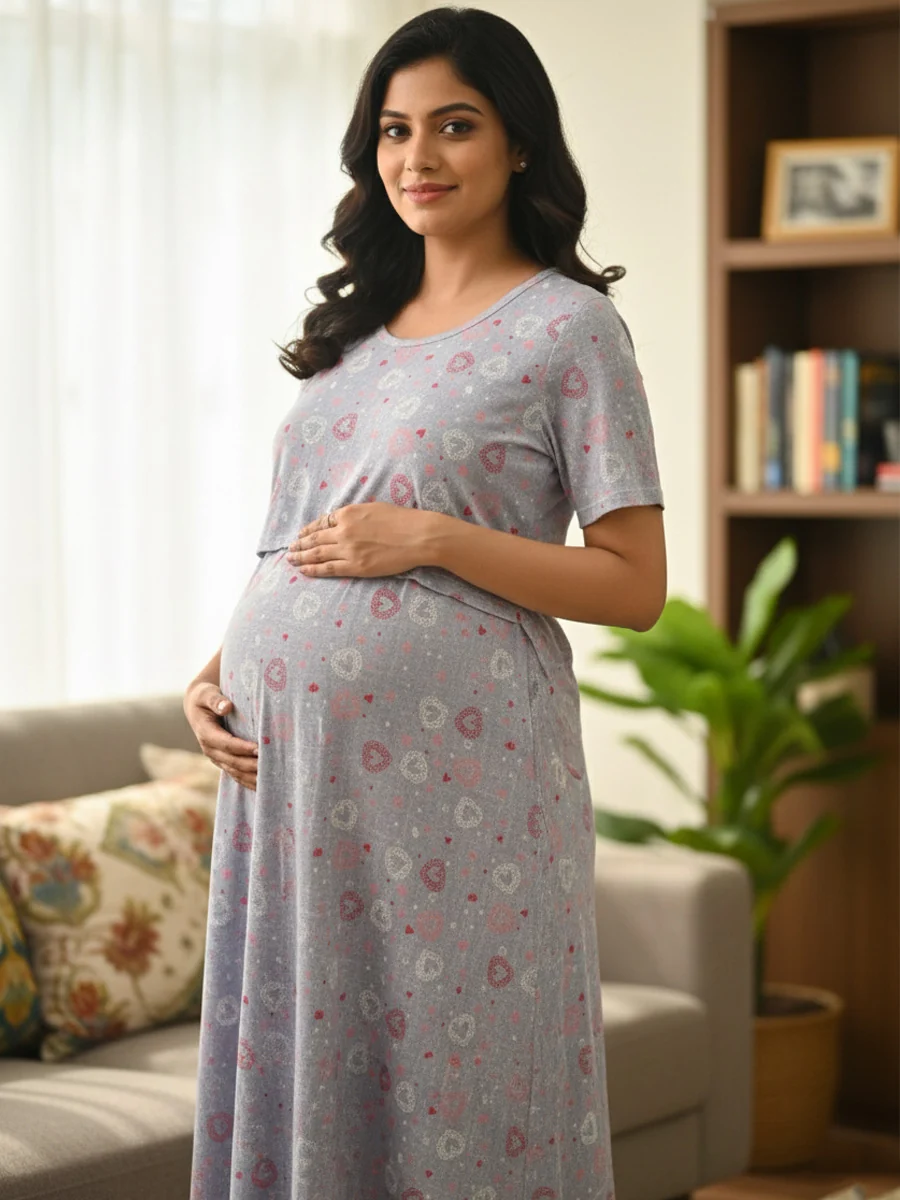
What Is Maternity Wear and What Is Feeding Wear?
Maternity wear is designed to accommodate body changes during pregnancy. It may include extra room around the abdomen, stretch panels, adjustable waistbands or relaxed cuts. Feeding wear, also called nursing wear, includes features that provide access for breastfeeding, such as front openings, hidden zips, crossover panels or discreet layers.
Some garments combine both functions. A maternity feeding dress may have enough room for a growing bump and a nursing-friendly opening for use after delivery. Check the actual design details before purchasing, because the words “maternity” and “feeding” can cover many different styles.
Why Consider Versatile Clothing?
Pregnancy and the postpartum period bring different practical needs. During pregnancy, you may want flexible waistbands and room around the bump. After delivery, easy closures, soft fabrics and convenient feeding access may be useful. A garment that serves more than one purpose can help you make the most of your clothing budget.
Versatility should not come at the expense of comfort. Check that the garment fits well during pregnancy and that the feeding opening is easy to operate. If the style does not suit your body or routine, it may not be worth buying simply because it promises two uses.
Common Feeding-Friendly Designs
Front-button styles: Shirts, nightwear and kurtis with front buttons can offer access for feeding. Check that buttons are easy to open and close.
Wrap and crossover fronts: These designs can provide adjustable coverage. Make sure the fabric stays secure when you move.
Layered feeding panels: Some garments use an outer layer with an opening underneath. This can offer discreet access, but the construction should be easy to understand and use.
Hidden zip designs: Zips may be placed in seams or panels. Check that they do not rub against the skin and that they move smoothly.
Front-opening nightwear: Comfortable night suits or gowns can be practical at home and may be useful in a hospital bag, depending on your needs and advice from your care team.
Choosing Fabrics and Fit
Look for soft-feeling fabric, comfortable seams and a fit that allows movement. Cotton and cotton blends are common options for everyday clothing, while lightweight draping fabrics may work for dresses and kurtis. Choose fabric according to your climate and how frequently you expect to wash the garment.
Check the bust and abdomen measurements, not just the label. A feeding opening should be positioned where you can use it comfortably, and it should not gape when closed. If shopping online, examine product photos and read the garment description carefully. The best design is one you can operate easily without unnecessary fuss.
Maternity Feeding Dresses
A maternity feeding dress can be a convenient choice for home, outings or visits. Relaxed A-line and empire-waist shapes can provide room around the abdomen, while nursing panels or front openings may be useful later. For everyday wear, prioritise ease of washing, comfortable length and a fabric suitable for your climate.
For a dressier option, look at wrap styles, maxi dresses or Indian-inspired designs. Think about where you will wear the garment and whether you can pair it with footwear and layers you already own. If you want to use the dress after delivery, check that the feeding access is practical rather than merely decorative.
Kurtis and Indian Feeding Wear
Indian feeding kurtis and tunics can suit people who prefer ethnic wear for daily activities. They may feature concealed openings, front buttons or layered panels. Pair them with comfortable leggings, palazzos or other bottoms according to your preference. For office or family gatherings, coordinated sets can provide an easy outfit.
Check the neckline, sleeve length, garment length and opening mechanism. If you prefer discreet feeding access, look for clear product descriptions and photographs showing how the opening works. Avoid assuming that every front-opening kurti is designed for feeding; verify the construction before purchasing.
Nightwear and Hospital Bag Clothing
Comfortable nightwear can be useful during late pregnancy and after delivery. Soft night suits, front-opening tops and relaxed gowns are common options. Choose garments that are easy to put on and remove, with closures you can manage comfortably. If you are preparing a hospital bag, follow the instructions from your maternity care team about what to bring.
Pack only what you expect to need and consider how easily items can be washed. A small number of versatile pieces may be more practical than a large collection. Personal hospital requirements vary, so use your care provider’s checklist rather than relying on a general shopping list alone.
How Many Maternity and Feeding Clothes Do You Need?
There is no universal number. Your needs depend on laundry frequency, climate, daily routine and whether you plan to use feeding-specific clothing. Start with a few comfortable outfits for regular use, enough nightwear for your routine and any extra pieces needed for work or outings. You can add items after you learn what is most useful.
If you are trying to stay within a budget, prioritise garments that you will wear often. Choose colours and styles that can be mixed with existing clothes. Consider whether a piece will remain useful after delivery and whether its fabric and closures will be easy to care for.
What to Check Before Buying Online
Read the product description for fabric content, size measurements, opening type and washing instructions. Look at photos from multiple angles and check whether the feeding access is visible or explained. Review the exchange policy and delivery timeline, especially if you need the item by a certain date.
Avoid relying on broad promises alone. A product may be described as soft, stretchable or nursing-friendly, but details help you decide whether it suits your needs. If you have questions, contact the seller before ordering and keep a copy of your order details.
Common Mistakes to Avoid
Do not buy every item before you know what you will use. A few versatile pieces may be more useful than a wardrobe full of specialised clothing. Check that feeding openings are easy to use and that the fit is comfortable during pregnancy. A beautiful design is less practical if the fabric is difficult to wash or the closure is awkward.
Avoid assuming your size will remain unchanged throughout pregnancy and postpartum. Use the seller’s size chart and seek guidance if measurements are unclear. Consider your personal feeding plans without feeling pressured to purchase clothing you do not want or need.
Frequently Asked Questions
What is the difference between maternity and feeding wear? Maternity wear accommodates pregnancy changes; feeding wear provides access for breastfeeding. Some clothes are designed for both.
Can I wear maternity clothes after delivery? Yes, if they remain comfortable. Feeding-friendly features may make some pieces more useful postpartum.
Are feeding kurtis useful? They can be practical if you prefer Indian wear and the opening is easy to use.
Should all maternity clothes have feeding access? No. Choose the features that suit your plans and routine.
What should I prioritise when buying? Comfort, fit, fabric, easy care and a clearly described feeding mechanism are good starting points.
Conclusion
Maternity and feeding wear can help you create a practical wardrobe for pregnancy and the period after delivery. Choose comfortable fabrics, a fit that accommodates your changing body and feeding features that are genuinely easy to use. Start with a few versatile pieces and add more according to your routine. Explore maternity and feeding options at [Your Brand Name] to find clothing that suits your preferences.